

In the field of wastewater pretreatment, static screens play a crucial role in separating solid particles from liquid streams. As a dedicated Static Screen supplier, I've had the opportunity to explore various aspects of these systems, including the often-overlooked but essential component: the screen controller. In this blog, I'll delve into the role of the screen controller in addressing static screen problems, highlighting its significance and impact on the overall performance of the screening process.
Understanding Static Screens
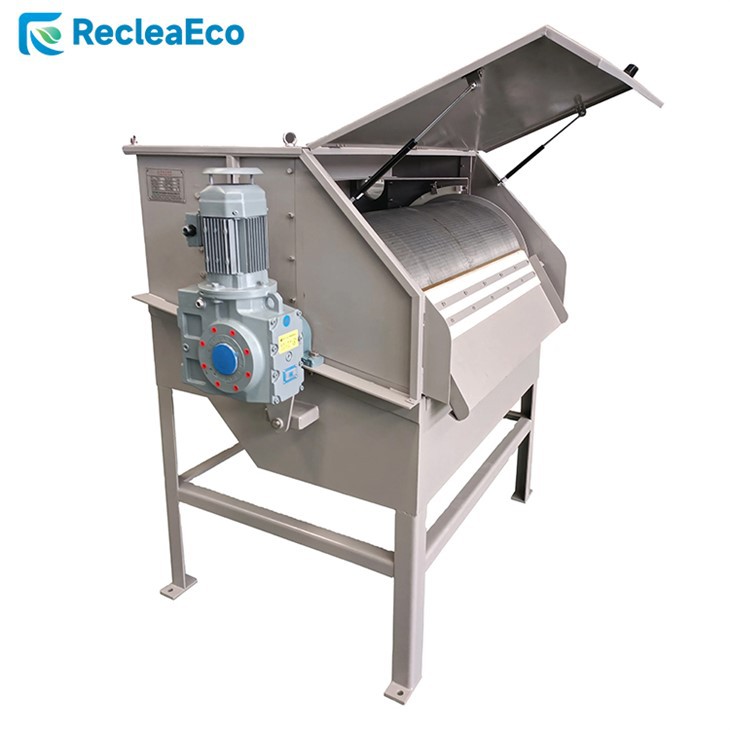
Before we discuss the role of the screen controller, it's important to have a basic understanding of static screens. Static screens, such as the Static Screen, are simple yet effective devices used in wastewater treatment plants, industrial facilities, and other applications where solid-liquid separation is required. These screens consist of a fixed frame with a series of parallel bars or wires that allow water to pass through while retaining larger solid particles.
Static screens are known for their low maintenance requirements, energy efficiency, and reliability. They are often used as a primary screening device to remove large debris, such as sticks, leaves, and plastics, from the wastewater stream before it undergoes further treatment. However, like any mechanical system, static screens can encounter problems over time, such as clogging, uneven flow distribution, and reduced screening efficiency.
The Role of the Screen Controller
The screen controller is a critical component of a static screen system that helps to monitor and control the operation of the screen. It acts as the brain of the system, collecting data from various sensors and using this information to make real-time adjustments to the screen's operation. The primary functions of the screen controller include:
1. Flow Monitoring and Control
One of the key roles of the screen controller is to monitor the flow rate of the wastewater passing through the screen. By measuring the flow rate, the controller can determine if the screen is operating at its optimal capacity or if there are any issues with the flow distribution. If the flow rate is too high, it can cause the screen to clog more quickly, while a low flow rate may indicate a blockage or a problem with the upstream piping.
The screen controller can adjust the flow rate by controlling the opening and closing of valves or gates in the system. For example, if the flow rate is too high, the controller can partially close a valve to reduce the flow and prevent the screen from becoming overwhelmed. Conversely, if the flow rate is too low, the controller can open the valve to increase the flow and ensure that the screen is operating efficiently.

2. Clogging Detection and Prevention
Clogging is one of the most common problems faced by static screens. When the screen becomes clogged with solid particles, it can reduce the flow rate, increase the pressure drop across the screen, and ultimately lead to a decrease in screening efficiency. The screen controller plays a crucial role in detecting and preventing clogging by continuously monitoring the pressure drop across the screen.
If the pressure drop exceeds a pre-set threshold, the controller can activate a cleaning mechanism, such as a backwash system or a mechanical rake, to remove the accumulated debris from the screen. The controller can also adjust the cleaning frequency based on the level of clogging, ensuring that the screen is cleaned only when necessary to minimize water and energy consumption.
3. Screen Condition Monitoring
In addition to monitoring the flow rate and pressure drop, the screen controller can also monitor other parameters related to the screen's condition, such as the level of wear and tear on the screen bars or wires. By analyzing the data collected from these sensors, the controller can detect early signs of damage or deterioration and alert the operator to take appropriate action.
For example, if the controller detects a significant increase in the vibration level of the screen, it may indicate that the screen bars are loose or damaged. The controller can then send an alarm to the operator, who can inspect the screen and make any necessary repairs or replacements before the problem worsens.
4. System Integration and Automation
Modern screen controllers are designed to be highly integrated with other components of the wastewater treatment system, such as pumps, valves, and sensors. This allows for seamless communication and coordination between different parts of the system, enabling greater automation and efficiency.
For example, the screen controller can be connected to a central control system that monitors and controls the entire wastewater treatment plant. This allows the operator to remotely monitor the operation of the static screen, adjust the settings, and receive real-time alerts and notifications. The controller can also be programmed to automatically adjust the operation of the screen based on the overall performance of the treatment plant, ensuring that the screening process is optimized at all times.
Benefits of Using a Screen Controller
The use of a screen controller offers several benefits for static screen systems, including:
1. Improved Screening Efficiency
By continuously monitoring and adjusting the operation of the screen, the screen controller can help to ensure that the screen is operating at its optimal capacity. This can result in improved screening efficiency, reduced clogging, and a higher quality of the treated wastewater.
2. Reduced Maintenance Costs
The screen controller can detect and prevent problems before they become serious, reducing the need for frequent maintenance and repairs. This can save time and money in the long run, as well as minimize downtime and disruption to the wastewater treatment process.
3. Increased System Reliability
The screen controller provides real-time monitoring and control of the screen, ensuring that the system operates reliably and consistently. This can help to prevent unexpected breakdowns and failures, which can have a significant impact on the performance of the wastewater treatment plant.
4. Enhanced Safety
The screen controller can help to improve the safety of the wastewater treatment process by reducing the risk of accidents and injuries. For example, by automatically activating the cleaning mechanism when the screen is clogged, the controller can prevent operators from having to manually clean the screen, which can be a hazardous task.
Conclusion
In conclusion, the screen controller plays a vital role in addressing static screen problems and ensuring the efficient and reliable operation of the screening process. By monitoring and controlling the flow rate, detecting and preventing clogging, monitoring the screen's condition, and integrating with other components of the wastewater treatment system, the screen controller can help to optimize the performance of the static screen and improve the overall quality of the treated wastewater.
As a Static Screen supplier, I understand the importance of providing high-quality screen controllers that are reliable, easy to use, and cost-effective. If you're interested in learning more about our static screen systems and the role of the screen controller, or if you have any questions or concerns about your existing screening system, please don't hesitate to contact us. We'd be happy to discuss your specific needs and provide you with a customized solution that meets your requirements.
References
- "Wastewater Treatment: Principles and Design" by Metcalf & Eddy
- "Handbook of Water and Wastewater Treatment Plant Operations" by Frank R. Spellman
- "Screening and Grit Removal" by the Water Environment Federation