

How Vertical Bar Screen Systems Can Enhance Wastewater Management Efficiency?
In the world of modern wastewater treatment, preliminary process efficiencies are critical to the overall system performance. Vertical bar screen systems, commonly used in wastewater management facilities for their unique, robust design and debris removal characteristics, have become a mainstay of wastewater management facility design. They effectively prevent passage of large and medium sized solids into downstream equipment, improving treatment efficiency.

In this article, vertical bar screen systems are explored, how they function, and their part in enhancing the wastewater management. Additionally, we'll look at the benefits they provide and offer guidance on choosing the right screen for your industry's particular requirements.
Vertical bar screens are gaining popularity among industries as they take on regulatory standards of clean wastewater treatment get stricter. But what do these systems do and why are they necessary in modern treatment plants?
[TOC]
Vertical Bar Screen Systems – What Are They?
What Is Vertical Bar Screen Systems Used for?
What Are the Benefits of Using Vertical Bar Screen Systems?
How to Select the Right Vertical Bar Screen for Your Facility?
(If you need and interested the product, please click Product Information Page and Contact us!)
Vertical Bar Screen Systems – What Are They?
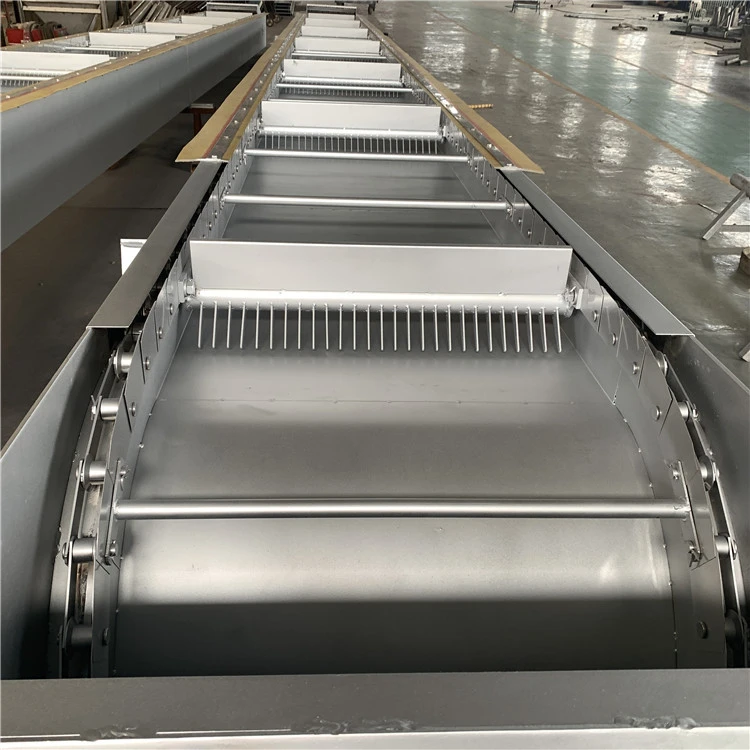
Vertical Bar Screen systems are the mainstay of preliminary wastewater treatment used for the removal of large solids and debris from influent streams. The primary function of these systems is to function as a barrier during treatment in wastewater management facilities to protect and preserve the efficiency of downstream processes. With vertical bar screens intercepting items like plastics, rags, branches, and other non-biodegradable materials, they prevent damaging machinery such as pumps, aerators and clarifiers.

Vertical bar screens are structurally robust bars arranged vertically with a specific spacing, so that solids of a specified size can be captured. Often, the bars constructed from corrosion resistant materials which include stainless steel for durability even in harsh environment. With their compact design, they can be deployed in facilities with space constraints, without sacrificing form over function.
Modern vertical bar screen systems tend to incorporate advanced automation feature such as self cleaning mechanism with mechanical rakes or scrapers. The accumulated debris is constantly removed by these systems with a minimum of manual labor necessary to keep the system in optimal functionality. Vertical bar screens combine simplicity with innovation to provide better wastewater treatment operation reliability and sustainability, thereby making them vital for municipal and industrial applications.
Not only do vertical bar screens provide operational benefits, but they ensure incoming wastewater is free of large contaminants that could damage the treatment process, and do so in accordance with regulatory requirements. This underscore their role as a versatile, critical technology serving contemporary wastewater management systems capable of adapting to a spectrum of flow rates and debris types.
What Is Vertical Bar Screen Systems Used for?
The vertical bar screen system operation is a simple-yet highly effective process. Wastewater is directed through the vertical screen as it enters the treatment facility; solid material is moved and retained onto the bars. The configuration and spacing of the bars are optimally tuned to capture specific debris sizes, while also removing both large and medium sized solids.
For the system to function its cleaning process is critical. Debris trapped in the screen is removed by the automatically moving raking mechanisms, usually on a hydraulic or electric basis, and dumped into collection bins or conveyors. The automation guarantees continuous operation regardless of high inflow conditions and decreases the hazards of clogging and overflow.
However, flow optimization is designed to advanced systems. Vertical bar screens have a minimal hydraulic head loss and simultaneously minimize turbulence or sediment buildup, keeping flow rates consistent. Particularly important for facilities with variable inflows, like problem of those sensitive to weather or industrial discharges, this design consideration is of great importance.
In addition, even vertical bar screen systems feature various useful elements for improved operation and safety. An example are systems that often have overload protection mechanisms which stop operation when excessive debris accumulation occurs to prevent mechanical strain or failure. Real-time monitoring models also include control systems, sensors and flow conditions, allowing operators to change settings as debris loads increase.
Basic fact is that, in essence, vertical bar screen systems are combination of mechanical efficiency and intelligent design for the initial wastewater treatment stage and it is both effective and sustainable. Their ability to work well in demanding conditions makes them a staple of modern wastewater management practices.
What Are the Benefits of Using Vertical Bar Screen Systems?
The adoption of vertical bar screen systems in wastewater management facilities brings numerous advantages:
1. Enhanced Equipment Protection
These screens do the work of intercepting large solids, preventing damage to downstream equipment, and extending the lifespan of critical infrastructure and costs for maintenance (Eckenfelder, 2009).
2. Operational Efficiency Improvement
An efficient screening prevents the load on the subsequent treatment stages, and therefore making a more smooth work and less energy consumption in the whole process (Metcalf & Eddy, 2013).
3. Minimal Manual Labor
These systems greatly reduce manual intervention in the operations using the automated cleaning mechanisms, making operations safer and more efficient (Tchobanoglous et al., 2014).
4. Versatility in Applications
Vertical bar screens are widespread in municipal sewage plants as well as other industrial treatment units and can be tailored to particular facilities, thus they are a viable solution for different wastewater problems (Neyens & Baeyens, 2003).
5. Regulatory Standards Compliance
Improved effluent quality leads to high efficiency screening which is beneficial towards achieving stringent discharge regulation requirements and sustainability goals (Sakurai & Hiraoka, 2019).
How to Select the Right Vertical Bar Screen for Your Facility?
Choosing the right vertical bar screen involves considering several factors:
Flow Rate and Volume: Be sure the screen will not degrade performance to lower peak flow conditions of your facility.
Debris Type and Size: Type and size solids in the wastewater stream is to be evaluated to choose the appropriate bar spacing and screen design.
Material Durability: Instead go for screens that are made from high quality materials that will resist corrosion and wear.
Automation Features: Look at systems with more advanced cleaning mechanisms to minimise labor and maintenance.
Space Constraints: Where space is limited, vertical bar screens are the ideal solution as they are both compact yet extremely efficient.
As part of this physician market development, the factors described are examined in detail to infer the potential optimal operating system of a given facility from their operation needs and the long term goals.
Conclusion
Wastewater management relies upon vertical bar screen systems, providing proven service, efficiency of operation, and an environmentally sound approach. Due to their ability to handle such diverse wastewater challenges, industries globally prefer them. Vertical bar screens continually become more cost effective and future based as facilities continue to prioritize sustainability and compliance.
If you need and interested the product, please click Product Information Page and Contact us!
References
- 1. Eckenfelder, W. W. (2009). Industrial Water Pollution Control. McGraw-Hill Education.
- 2. Metcalf & Eddy. (2013). Wastewater Engineering: Treatment and Resource Recovery. McGraw-Hill Education.
- 3. Tchobanoglous, G., Burton, F. L., & Stensel, H. D. (2014). Wastewater Engineering: Treatment and Reuse. McGraw-Hill Education.
- 4. Neyens, E., & Baeyens, J. (2003). A review of thermal sludge pre-treatment processes to improve dewaterability. Water Research, 37(11), 2208–2222.
- 5. Sakurai, T., & Hiraoka, M. (2019). Optimization of Bar Screening for Municipal Wastewater Treatment. Journal of Environmental Engineering, 145(7), 04019029.