

Operating a hyperboloid mixer effectively at different liquid levels is a crucial aspect of ensuring optimal performance in various industrial and wastewater treatment applications. As a reputable supplier of Hyperboloid Mixer, we understand the significance of this process and are dedicated to providing comprehensive guidance to our customers.
Understanding the Hyperboloid Mixer
Before delving into the operation of a hyperboloid mixer at different liquid levels, it is essential to have a basic understanding of its design and functionality. A hyperboloid mixer consists of a hyperboloid-shaped impeller mounted on a shaft, which is driven by a motor. The unique design of the hyperboloid impeller creates a gentle yet effective mixing action, resulting in uniform distribution of substances in the liquid.
The hyperboloid mixer is commonly used in applications such as wastewater treatment, sludge digestion, and chemical processing. It is particularly suitable for applications where gentle mixing is required to prevent damage to delicate substances or to maintain a specific flow pattern.
Factors Affecting Mixer Operation at Different Liquid Levels
Several factors can influence the operation of a hyperboloid mixer at different liquid levels. These factors include:
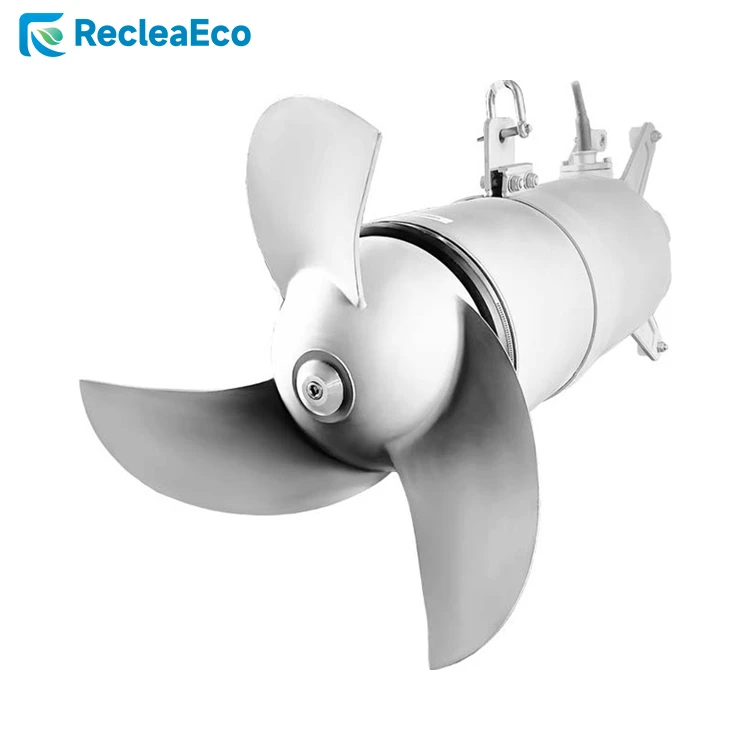

- Impeller Design: The design of the hyperboloid impeller plays a crucial role in determining its performance at different liquid levels. A well-designed impeller will be able to create a consistent mixing pattern and maintain adequate mixing intensity regardless of the liquid level.
- Motor Power: The power of the motor driving the mixer is another important factor. Sufficient motor power is required to ensure that the impeller can rotate at the appropriate speed and generate the necessary mixing force, especially at higher liquid levels where the resistance is greater.
- Liquid Properties: The properties of the liquid being mixed, such as viscosity, density, and temperature, can also affect the mixer's performance. For example, a more viscous liquid may require a higher mixing intensity and a more powerful motor to achieve effective mixing.
- Tank Geometry: The shape and size of the tank in which the mixer is installed can influence the flow pattern and mixing efficiency. A properly designed tank will help to optimize the mixing action of the hyperboloid mixer and ensure uniform mixing throughout the tank.
Operating the Hyperboloid Mixer at Low Liquid Levels
When operating a hyperboloid mixer at low liquid levels, several precautions need to be taken to ensure its proper functioning and prevent damage to the equipment. Here are some guidelines to follow:
- Check the Impeller Clearance: At low liquid levels, the impeller may be closer to the bottom of the tank. It is important to ensure that there is sufficient clearance between the impeller and the tank bottom to prevent contact and damage. Check the manufacturer's specifications for the recommended impeller clearance.
- Adjust the Mixing Speed: In some cases, it may be necessary to adjust the mixing speed of the hyperboloid mixer at low liquid levels. A lower speed may be sufficient to achieve the desired mixing effect, while reducing the risk of splashing or creating excessive turbulence.
- Monitor the Liquid Level: Continuously monitor the liquid level in the tank to ensure that it does not fall below the minimum operating level recommended by the manufacturer. Operating the mixer with insufficient liquid can cause overheating of the motor and damage to the impeller.
Operating the Hyperboloid Mixer at Medium Liquid Levels
Medium liquid levels are generally considered the optimal operating range for a hyperboloid mixer. At these levels, the mixer can achieve a good balance between mixing efficiency and energy consumption. Here are some tips for operating the hyperboloid mixer at medium liquid levels:
- Maintain the Recommended Mixing Speed: Follow the manufacturer's recommendations for the appropriate mixing speed at medium liquid levels. This will ensure that the mixer achieves the desired mixing intensity and maintains a consistent flow pattern.
- Check for Uniform Mixing: Regularly inspect the tank to ensure that the mixing is uniform throughout. If necessary, adjust the position of the mixer or the mixing speed to improve the mixing efficiency.
- Monitor the Motor Performance: Keep an eye on the motor's performance, including its temperature and current draw. Any significant changes in these parameters may indicate a problem with the mixer or the motor, and immediate action should be taken to address the issue.
Operating the Hyperboloid Mixer at High Liquid Levels
Operating a hyperboloid mixer at high liquid levels can pose some challenges, as the increased resistance from the liquid requires more power to maintain the same mixing intensity. Here are some considerations for operating the hyperboloid mixer at high liquid levels:
- Ensure Sufficient Motor Power: Make sure that the motor driving the mixer has sufficient power to operate at high liquid levels. If necessary, consider upgrading the motor to a more powerful model to ensure optimal performance.
- Adjust the Impeller Pitch: In some cases, adjusting the pitch of the hyperboloid impeller can improve its performance at high liquid levels. Consult the manufacturer's recommendations or a technical expert for guidance on adjusting the impeller pitch.
- Monitor the Tank Pressure: High liquid levels can increase the pressure in the tank. It is important to monitor the tank pressure regularly to ensure that it remains within the safe operating range. If the pressure exceeds the recommended limit, take appropriate measures to reduce it, such as reducing the liquid level or adjusting the mixer's operation.
Additional Considerations for Mixer Operation
In addition to the specific guidelines for operating the hyperboloid mixer at different liquid levels, there are some general considerations that can help to ensure its long-term performance and reliability:
- Regular Maintenance: Perform regular maintenance on the hyperboloid mixer, including lubrication, inspection, and cleaning. Follow the manufacturer's maintenance schedule and guidelines to keep the mixer in good working condition.
- Training and Education: Provide adequate training to the operators on how to properly operate and maintain the hyperboloid mixer. This will help to ensure that the mixer is used correctly and that any potential problems are identified and addressed in a timely manner.
- Use of Compatible Equipment: When selecting other equipment to be used in conjunction with the hyperboloid mixer, such as pumps and valves, make sure that they are compatible with the mixer's specifications and operating requirements. This will help to ensure the overall efficiency and reliability of the system.
Choosing the Right Mixer for Your Application
As a Hyperboloid Mixer supplier, we offer a wide range of mixers to suit different applications and requirements. When choosing a mixer for your specific application, consider the following factors:
- Liquid Properties: The properties of the liquid being mixed, such as viscosity, density, and temperature, will determine the type and size of the mixer required.
- Tank Size and Geometry: The size and shape of the tank in which the mixer will be installed will also influence the choice of mixer. A larger tank may require a more powerful mixer or multiple mixers to achieve effective mixing.
- Mixing Requirements: The specific mixing requirements of your application, such as the degree of mixing, the desired flow pattern, and the mixing time, will also need to be considered when selecting a mixer.
In addition to hyperboloid mixers, we also offer Ultra-Energy-Saving Submersible Mixer and Submersible Mixer, which are suitable for different applications and liquid levels. Our team of experts can help you to select the right mixer for your specific needs and provide you with comprehensive support and guidance throughout the installation and operation process.
Contact Us for Procurement and Consultation
If you are interested in purchasing a hyperboloid mixer or need more information about our products and services, please do not hesitate to contact us. Our experienced sales team is ready to assist you with your procurement needs and provide you with detailed product information, pricing, and technical support. We are committed to providing our customers with high-quality products and excellent customer service, and we look forward to the opportunity to work with you.
References
- Manufacturer's manuals and specifications for hyperboloid mixers.
- Industry standards and guidelines for mixer operation and maintenance in wastewater treatment and other applications.
- Technical literature and research papers on mixing technology and fluid dynamics.