

When it comes to sludge dewatering, the belt filter press is a workhorse in many industries. As a seasoned supplier of belt filter presses, I've had numerous clients inquire about the capacity of these machines. In this blog post, I'll delve into what defines the capacity of a typical belt filter press, the factors that influence it, and how it compares to other dewatering equipment.
Understanding the Capacity of a Belt Filter Press
The capacity of a belt filter press is typically measured in terms of the amount of dry solids it can process per hour, usually expressed in kilograms per hour (kg/h) or tons per day (TPD). This metric is crucial as it determines how much sludge a press can handle, which in turn affects the overall efficiency and cost - effectiveness of a dewatering operation.
A typical belt filter press can have a capacity ranging from a few hundred kilograms per hour for smaller, laboratory - scale or light - duty industrial models to several tons per hour for large - scale municipal and heavy - industrial applications. For instance, in small food processing plants where the volume of sludge is relatively low, a belt filter press with a capacity of 200 - 500 kg/h might be sufficient. On the other hand, large wastewater treatment plants may require presses with capacities of 5 - 10 TPD or even higher.
Factors Influencing the Capacity
Sludge Characteristics
The nature of the sludge being processed has a significant impact on the capacity of a belt filter press. Sludge with high moisture content and fine particle size is generally more difficult to dewater. For example, sludge from a chemical manufacturing plant may contain a high proportion of colloidal particles, which tend to form a dense cake that is resistant to water drainage. This can reduce the dewatering rate and, consequently, the press's capacity.
In contrast, sludge from a paper mill may have larger particle sizes and a more fibrous structure, making it easier to dewater. As a result, the belt filter press can achieve a higher throughput and capacity when processing this type of sludge.
Polymer Conditioning
Polymer conditioning is a crucial step in the belt filter press dewatering process. Adding the right type and amount of polymer to the sludge helps to flocculate the particles, making them easier to separate from the water. A well - conditioned sludge forms larger, more compact flocs that drain water more efficiently.
If the polymer dosage is too low, the sludge may not flocculate properly, leading to poor dewatering and reduced capacity. Conversely, if the dosage is too high, it can lead to excessive foaming and increased costs. Therefore, finding the optimal polymer dosage is essential for maximizing the capacity of the belt filter press.
Belt Speed and Pressure
The speed at which the belts of the filter press move and the pressure applied during the dewatering process also affect its capacity. A higher belt speed can increase the throughput of the press, but it may also result in a less - dry cake if the dewatering time is insufficient. On the other hand, increasing the pressure can improve the dewatering efficiency, but there is a limit to how much pressure the belts and the sludge can withstand without causing damage.
Most belt filter presses allow for the adjustment of belt speed and pressure to optimize the dewatering process based on the sludge characteristics. By fine - tuning these parameters, operators can achieve the best balance between capacity and cake dryness.
Comparison with Other Dewatering Equipment
Screw Press Dehydrator
The Screw Press Dehydrator is another popular dewatering option. Compared to a belt filter press, a screw press dehydrator generally has a lower capacity. Screw presses are more suitable for applications where the volume of sludge is relatively small or where a continuous, low - maintenance operation is required.
However, screw presses can be more energy - efficient and require less floor space than belt filter presses. They are also better at handling sludge with high viscosity or a high proportion of organic matter.
Filter Press
The Filter Press is a batch - type dewatering device. While filter presses can achieve very high cake dryness, their capacity is often limited by the batch - processing nature of the operation. Loading and unloading the filter chambers takes time, which reduces the overall throughput compared to a continuous - operation belt filter press.
Filter presses are commonly used in applications where extremely dry cakes are required, such as in the mining and chemical industries.
Maximizing the Capacity of Your Belt Filter Press
As a supplier, I often provide my clients with tips on how to maximize the capacity of their belt filter presses. Regular maintenance is crucial to ensure that the belts are in good condition, the rollers are properly aligned, and the pumps and valves are functioning correctly. Any wear or damage to the components can reduce the efficiency of the dewatering process and, ultimately, the press's capacity.
In addition, training the operators on the proper use of the equipment, including the correct polymer dosing, belt speed adjustment, and pressure control, is essential. Well - trained operators can make real - time adjustments to optimize the dewatering process based on the changing sludge characteristics.
Conclusion
The capacity of a typical belt filter press can vary widely depending on several factors, including sludge characteristics, polymer conditioning, belt speed, and pressure. By understanding these factors and taking appropriate measures to optimize the dewatering process, users can maximize the capacity of their belt filter presses.
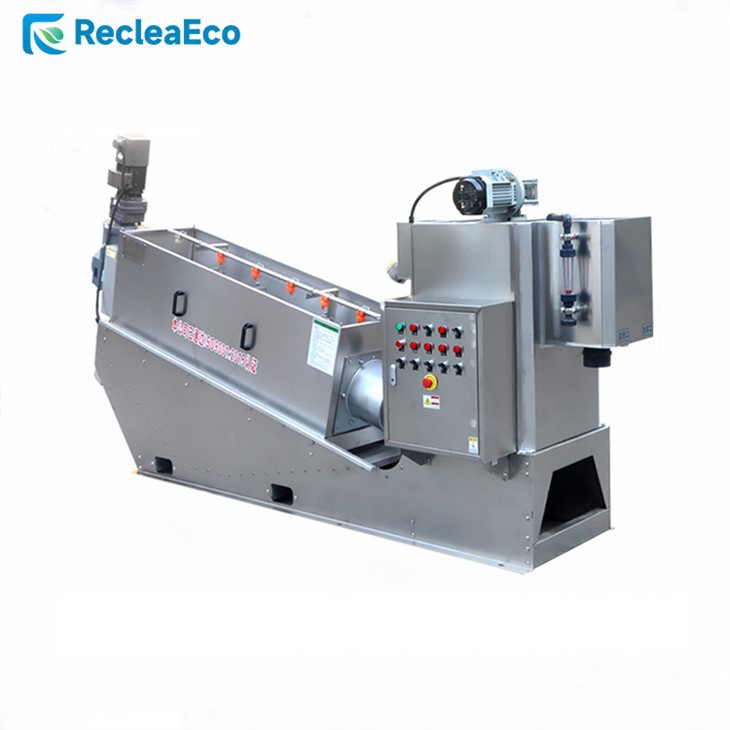

If you're in the market for a Belt Filter Press or need to upgrade your existing dewatering system, I encourage you to reach out to me. I have extensive experience in providing customized solutions to meet the specific needs of different industries. Whether you're a small - scale manufacturer or a large - scale municipal wastewater treatment plant, I can help you select the right belt filter press with the appropriate capacity for your operation. Let's start a conversation about how we can improve your sludge dewatering process and enhance your overall efficiency.
References
- Metcalf & Eddy, "Wastewater Engineering: Treatment and Reuse."
- Tchobanoglous, G., Burton, F. L., & Stensel, H. D., "Wastewater Engineering: Treatment, Disposal, and Reuse."