

Hey there! As a supplier of Belt Filter Press, I've seen firsthand how crucial it is to have a well - adjusted spray system. A properly adjusted spray system can significantly enhance the performance and lifespan of your Belt Filter Press. So, let's dive into how you can adjust the spray system of a Belt Filter Press.
Why Adjust the Spray System?
Before we get into the adjustment process, let's understand why it matters. The spray system in a Belt Filter Press is responsible for keeping the filter belts clean. Clean belts ensure efficient filtration and dewatering. If the spray system isn't working right, the belts can get clogged with sludge, which reduces the press's efficiency and can even cause damage over time.
Tools You'll Need
First off, gather the necessary tools. You'll need a pressure gauge to measure the water pressure in the spray lines, a wrench for adjusting valves, and a brush to clean any clogged nozzles. Having these tools ready will make the adjustment process a lot smoother.
Step 1: Check the Water Supply
The first thing you should do is check the water supply to the spray system. Make sure the water source has an adequate flow and pressure. You can use the pressure gauge to measure the pressure at the inlet of the spray system. A typical pressure range for a Belt Filter Press spray system is between 2 - 5 bar. If the pressure is too low, you might need to check the water pump or the pipes for any blockages. If it's too high, you can adjust the pressure - regulating valve.
Step 2: Inspect the Nozzles
Next, take a close look at the nozzles. Over time, nozzles can get clogged with debris or mineral deposits. Use the brush to clean the nozzles gently. Make sure the spray pattern from each nozzle is uniform. If you notice any nozzles with a weak or uneven spray, it might be time to replace them. You can find replacement nozzles at most industrial supply stores or directly from the Belt Filter Press manufacturer.
Step 3: Adjust the Spray Angle
The spray angle of the nozzles is also important. The water should be sprayed onto the filter belts at the right angle to effectively clean them. Most Belt Filter Presses come with adjustable nozzles. Use the wrench to loosen the nozzle mounts and adjust the angle. Aim for a spray angle that covers the entire width of the filter belt evenly. You can test the spray angle by running the Belt Filter Press with the spray system on and observing the coverage on the belts.

Step 4: Check the Spray Interval
Some Belt Filter Press spray systems allow you to adjust the spray interval. This is the time between each spray cycle. The spray interval depends on the type of sludge you're processing and the level of clogging. For example, if you're dealing with a very sticky sludge, you might need a shorter spray interval. On the other hand, if the sludge is less sticky, you can increase the interval to save water. Check the control panel of the Belt Filter Press to adjust the spray interval settings.
Step 5: Monitor the Results
After making the adjustments, it's important to monitor the performance of the Belt Filter Press. Check the filter belts regularly to see if they're clean and free of sludge buildup. You can also measure the moisture content of the dewatered sludge. If the moisture content is higher than usual, it could mean that the spray system isn't adjusted correctly. Keep making small adjustments until you achieve the desired results.
Comparing with Other Sludge Dewatering Equipment
While Belt Filter Presses are great for many applications, it's worth mentioning other sludge dewatering equipment like the Screw Press Dehydrator and Filter Press. Each has its own advantages and disadvantages.
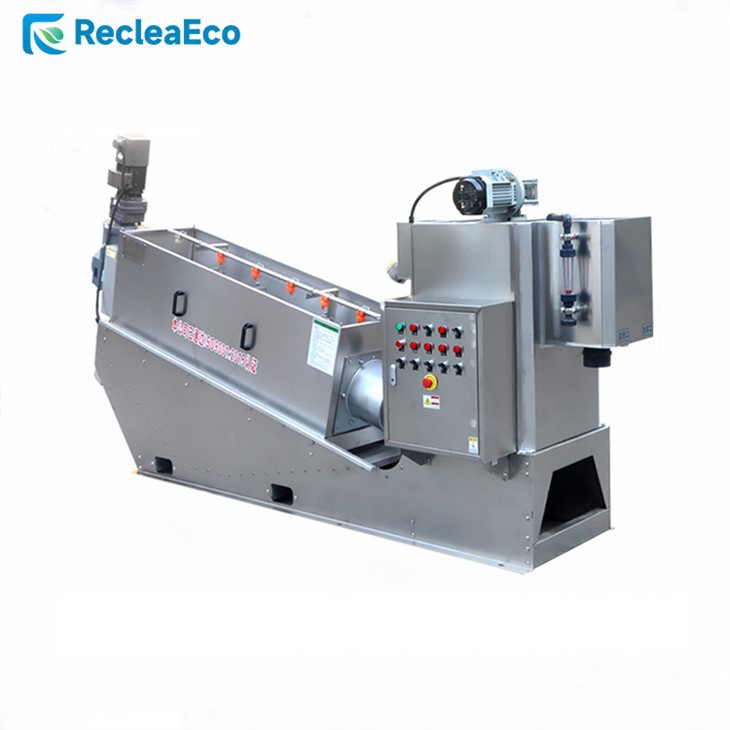
The Screw Press Dehydrator is known for its compact design and low energy consumption. It's suitable for small - to - medium - scale sludge dewatering. However, it might not be as effective as a Belt Filter Press for high - volume applications.
The Filter Press, on the other hand, can achieve very high levels of dewatering. It's often used in industries where a low moisture content in the dewatered sludge is crucial. But it can be more expensive to operate and maintain compared to a Belt Filter Press.
Troubleshooting Common Issues
Even after proper adjustment, you might encounter some issues with the spray system. Here are some common problems and how to fix them:
- Low water pressure: As mentioned earlier, check the water pump, pipes, and pressure - regulating valve. There could be a blockage in the pipes or a problem with the pump motor.
- Uneven spray pattern: This is usually due to clogged or misaligned nozzles. Clean or replace the nozzles and adjust their angle as needed.
- Excessive water consumption: If the spray interval is set too short or the pressure is too high, it can lead to excessive water use. Adjust the spray interval and pressure settings accordingly.
Conclusion
Adjusting the spray system of a Belt Filter Press is a crucial task that can greatly improve the performance and efficiency of the equipment. By following the steps outlined above, you can ensure that your Belt Filter Press operates at its best. Remember, a well - maintained spray system not only keeps the filter belts clean but also extends the lifespan of the entire machine.
If you're in the market for a new Belt Filter Press or need help with adjusting the spray system of your existing one, don't hesitate to reach out. We're here to assist you with all your sludge dewatering needs. You can learn more about our Belt Filter Press on our website. Let's work together to find the best solution for your business!
References
- Sludge Dewatering Handbook. Industrial Press Inc.
- Belt Filter Press Operation Manual. Manufacturer's Guide.