

Hey there! As a supplier of Filter Housing, I'm super stoked to share with you all the ins and outs of customizing a filter housing. Whether you're in the industrial sector, dealing with water treatment, or just need a top - notch filtration system for your business, customizing a filter housing can make a world of difference.
Why Customize?
First off, let's talk about why you'd even want to customize a filter housing. Standard filter housings are great, but they might not always fit your specific needs. Maybe you've got a unique space constraint, or your filtration requirements are a bit out of the ordinary. Customization allows you to get a filter housing that's tailor - made for your situation.
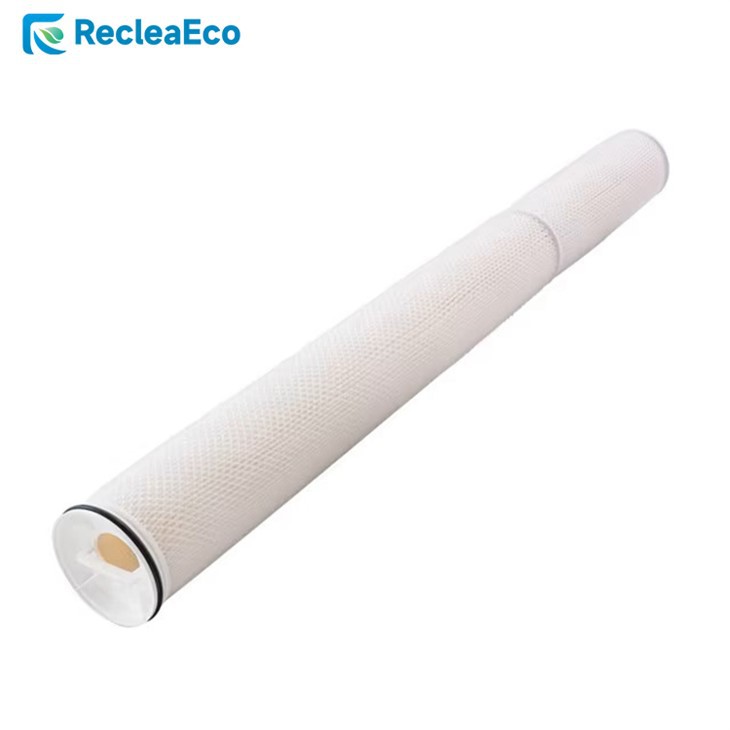
For example, if you're working with a High Flow Filter Cartridge, a standard housing might not be able to handle the high flow rates efficiently. By customizing, you can ensure that the housing is designed to optimize the performance of these cartridges, leading to better filtration and longer cartridge life.
Step 1: Define Your Requirements
The very first step in customizing a filter housing is to clearly define your requirements. You need to think about a few key factors.
Flow Rate
How much fluid do you need to filter per unit of time? This is a crucial factor as it will determine the size and capacity of the filter housing. If you have a high - volume operation, you'll need a housing that can handle large flow rates without causing excessive pressure drops.
Pressure Rating
What's the maximum pressure that the filter housing will be subjected to? You don't want a housing that will burst under pressure. Make sure to choose materials and a design that can withstand the pressure conditions of your system.
Filtration Media
What kind of filtration media are you going to use? Different media have different characteristics, and the housing needs to be compatible with them. For instance, some media might require a specific type of support structure inside the housing.
Size and Space
Where are you going to install the filter housing? You need to measure the available space and ensure that the customized housing will fit. It's no use having a great - performing filter if you can't actually put it in the right place.
Step 2: Choose the Right Materials
Once you've defined your requirements, it's time to choose the materials for your filter housing. There are several options available, each with its own pros and cons.
Stainless Steel
Stainless steel is a popular choice because it's durable, corrosion - resistant, and can handle high pressures. It's suitable for a wide range of applications, from food and beverage processing to chemical industries. However, it can be a bit more expensive than some other materials.
Plastic
Plastic filter housings are lightweight, inexpensive, and easy to install. They're often used in low - pressure applications or in situations where corrosion isn't a major concern. But they might not be as strong as stainless steel and could have limitations in terms of temperature and chemical resistance.
Fiberglass Reinforced Plastic (FRP)
FRP combines the best of both worlds. It's strong, corrosion - resistant, and relatively lightweight. It's a great option for applications where you need a balance between strength and cost.
Step 3: Design the Housing
Now comes the fun part - designing the housing. You can work with a team of engineers or use computer - aided design (CAD) software to create a detailed blueprint.
Inlet and Outlet Design
The design of the inlet and outlet ports is crucial for proper flow distribution. You want to ensure that the fluid enters and exits the housing smoothly, without causing any turbulence or dead zones. This will help to maximize the efficiency of the filtration process.
Cartridge Compartment
The compartment where the filter cartridges are placed needs to be designed to hold them securely. It should also allow for easy cartridge replacement. You might want to consider features like quick - release mechanisms or easy - access doors.
Structural Integrity
The overall structure of the housing needs to be strong enough to withstand the internal pressure and any external forces. Make sure to include appropriate bracing and reinforcement where necessary.
Step 4: Manufacturing and Quality Control
Once the design is finalized, it's time to start manufacturing the filter housing. This involves cutting, welding, and assembling the chosen materials according to the blueprint.
During the manufacturing process, it's essential to have strict quality control measures in place. This includes inspecting the materials before use, checking the dimensions during production, and performing pressure tests on the finished product. You don't want to end up with a faulty filter housing that could cause problems down the line.
Step 5: Testing and Installation
After the filter housing is manufactured, it needs to be tested to ensure that it meets your requirements. This might involve conducting flow tests, pressure tests, and filtration efficiency tests.
Once the housing passes all the tests, it's ready for installation. Make sure to follow the installation instructions carefully to ensure that the housing is installed correctly. Improper installation can lead to leaks, reduced performance, and even safety hazards.

Working with a Professional Supplier
Customizing a filter housing can be a complex process, but you don't have to do it alone. As a Filter Housing supplier, we have the expertise and experience to help you every step of the way.
We can assist you in defining your requirements, choosing the right materials, and designing the perfect filter housing for your application. Our team of engineers will work closely with you to ensure that the final product meets your expectations.
Contact Us for Customization
If you're interested in customizing a filter housing for your business, don't hesitate to get in touch. We're here to answer all your questions and provide you with a customized solution that fits your needs and budget. Whether you're a small - scale operation or a large industrial enterprise, we've got the know - how to deliver a high - quality filter housing.
References
- "Filtration Handbook" by Christopher D. Baker
- "Industrial Filtration Technology" by Klaus G. Kessler