

In the realm of industrial and environmental sludge treatment, the belt filter press stands as a cornerstone technology for efficient dewatering. As a leading supplier of Belt Filter Press, we understand the significance of operating these machines in an automated mode to enhance productivity, reduce labor costs, and ensure consistent performance. In this blog, we will delve into the intricacies of operating a belt filter press in an automated fashion, providing you with comprehensive insights and practical tips.
Understanding the Basics of a Belt Filter Press
Before we dive into the automated operation, it's crucial to have a solid understanding of how a belt filter press works. A belt filter press is a mechanical device used to separate solids from liquids in a slurry. It consists of two porous belts that move through a series of rollers. The slurry is fed onto the lower belt, and as the belts move, the liquid is gradually squeezed out through the pores, leaving behind a cake of dewatered solids.
The key components of a belt filter press include the feed system, the belt system, the roller system, the washing system, and the control system. Each component plays a vital role in the overall performance of the machine.
Advantages of Automated Operation
Automating the operation of a belt filter press offers numerous benefits. Firstly, it significantly improves efficiency. Automated systems can continuously monitor and adjust various parameters such as feed rate, belt speed, and pressure, ensuring optimal performance at all times. This leads to higher throughput and better dewatering results.
Secondly, automated operation reduces labor costs. With automated controls, operators can manage multiple machines simultaneously, eliminating the need for constant manual supervision. This not only saves time but also reduces the risk of human error.
Thirdly, automated systems provide consistent performance. They can maintain stable operating conditions, resulting in uniform dewatering quality. This is particularly important in industries where consistent product quality is crucial.
Key Steps in Automated Operation
1. Initial Setup and Configuration
The first step in automated operation is to set up and configure the belt filter press. This involves installing the machine according to the manufacturer's instructions and connecting it to the power supply, water supply, and slurry feed system. Once the physical installation is complete, the control system needs to be configured.
The control system is the brain of the automated belt filter press. It allows operators to set various parameters such as belt speed, feed rate, and pressure. These parameters should be set based on the characteristics of the slurry being processed, such as its viscosity, solid content, and particle size.
2. Slurry Feed Control
Automated slurry feed control is essential for maintaining consistent performance. The feed rate should be adjusted according to the capacity of the belt filter press and the desired dewatering results. Too high a feed rate can lead to poor dewatering and overloading of the machine, while too low a feed rate can result in inefficient operation.
Modern belt filter presses are equipped with sensors that can monitor the level of slurry in the feed tank and adjust the feed rate accordingly. These sensors can also detect any blockages in the feed line and trigger an alarm to alert the operator.
3. Belt Speed Regulation
The speed of the belts is another critical parameter in the automated operation of a belt filter press. The belt speed affects the residence time of the slurry on the belts, which in turn influences the dewatering efficiency. A higher belt speed can increase the throughput but may result in lower dewatering quality, while a lower belt speed can improve dewatering but reduce the throughput.
Automated systems can adjust the belt speed based on the feed rate and the characteristics of the slurry. They can also monitor the tension of the belts and make adjustments to ensure smooth operation.
4. Pressure Control
Pressure is a key factor in the dewatering process. The pressure applied to the slurry between the belts determines the amount of liquid that can be squeezed out. Automated systems can control the pressure applied by the rollers to ensure optimal dewatering.
The pressure should be adjusted according to the type of slurry being processed. For example, slurries with a high solid content may require higher pressure to achieve effective dewatering. The control system can continuously monitor the pressure and make adjustments as needed.
5. Washing System Automation
The washing system is used to clean the belts and prevent clogging. Automated washing systems can operate at regular intervals or based on the condition of the belts. They can control the flow rate and pressure of the washing water to ensure thorough cleaning.
The washing system can also be integrated with the control system to adjust the washing frequency and intensity based on the operating conditions of the belt filter press. This helps to maintain the efficiency of the dewatering process and extend the lifespan of the belts.
6. Monitoring and Alarm Systems
Automated belt filter presses are equipped with monitoring and alarm systems that can continuously monitor various parameters such as temperature, pressure, and belt tension. These systems can detect any abnormal conditions and trigger an alarm to alert the operator.
The monitoring system can also record the operating data of the belt filter press, which can be used for analysis and troubleshooting. This data can help operators identify potential problems and take preventive measures to avoid downtime.

Comparison with Other Dewatering Equipment
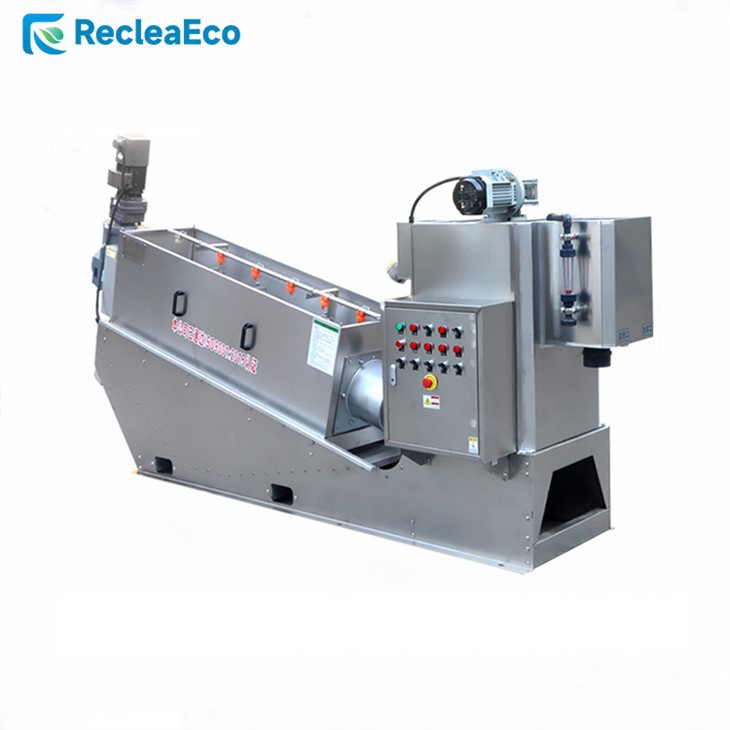
While belt filter presses are widely used for dewatering, there are other types of dewatering equipment available, such as Screw Press Dehydrator and Filter Press. Each type of equipment has its own advantages and disadvantages.
Screw press dehydrators are suitable for dewatering high - viscosity slurries. They have a simple structure and are relatively easy to operate. However, they may have lower throughput compared to belt filter presses.
Filter presses are known for their high dewatering efficiency and can produce a drier cake. They are often used in applications where high - quality dewatering is required. However, they are more complex and expensive to operate compared to belt filter presses.
Maintenance and Troubleshooting in Automated Operation
Regular maintenance is essential for the reliable operation of an automated belt filter press. This includes inspecting the belts, rollers, and other components for wear and tear, lubricating the moving parts, and replacing any damaged parts.
The control system also needs to be maintained regularly. This involves checking the sensors, controllers, and wiring for any faults. Software updates may also be required to ensure the optimal performance of the control system.
In case of any problems, the monitoring and alarm systems can provide valuable information for troubleshooting. Operators should be trained to interpret the alarm signals and take appropriate actions.
Conclusion
Operating a belt filter press in an automated mode offers significant advantages in terms of efficiency, labor savings, and consistent performance. By following the key steps outlined in this blog, operators can ensure the optimal operation of their belt filter presses.
As a leading supplier of belt filter presses, we are committed to providing our customers with high - quality equipment and comprehensive technical support. If you are interested in learning more about our belt filter presses or have any questions about automated operation, please feel free to contact us for procurement and further discussions. We look forward to working with you to find the best dewatering solutions for your specific needs.
References
- "Industrial Sludge Dewatering Technologies" - A comprehensive guide on various dewatering methods and equipment.
- Manufacturer's manuals for belt filter presses, screw press dehydrators, and filter presses.
- Research papers on the automation of industrial machinery and its application in sludge dewatering.