

Hey there! As a supplier of Hyperboloid Mixers, I've seen firsthand the amazing benefits these machines bring to the table. In this blog post, I'm gonna break down the advantages of using a Hyperboloid Mixer, so you can see why it's a great choice for your mixing needs.
1. Efficient Mixing
One of the biggest perks of a Hyperboloid Mixer is its efficiency. These mixers are designed with a unique hyperboloid shape that creates a powerful and uniform flow pattern. This means they can mix large volumes of liquid quickly and thoroughly. Whether you're dealing with wastewater treatment, chemical processing, or any other application that requires mixing, a Hyperboloid Mixer can get the job done in less time compared to traditional mixers.
The hyperboloid shape also helps in reducing dead zones in the mixing tank. Dead zones are areas where the liquid doesn't move much, which can lead to uneven mixing and poor results. With a Hyperboloid Mixer, the liquid is constantly in motion, ensuring that all parts of the tank are well - mixed. This is crucial for applications where consistent quality is a must, like in the production of pharmaceuticals or food products.
2. Energy Savings
Let's talk about energy. In today's world, saving energy is not just good for the environment; it's also great for your bottom line. Hyperboloid Mixers are known for their energy - efficient operation. The design of the hyperboloid impeller allows it to move a large amount of liquid with relatively low power consumption.
Compared to some other types of mixers that might require a lot of energy to achieve the same level of mixing, a Hyperboloid Mixer can significantly reduce your energy bills. For industrial facilities that run mixers for long hours every day, these savings can add up to a substantial amount over time. If you're looking for an Ultra - Energy - Saving Submersible Mixer, a Hyperboloid Mixer is definitely worth considering.
3. Low Maintenance
No one likes dealing with high - maintenance equipment. Hyperboloid Mixers are designed to be durable and require minimal maintenance. The simple and robust design of the mixer means there are fewer moving parts that can break down. This reduces the need for frequent repairs and replacements, saving you both time and money.
The materials used in the construction of Hyperboloid Mixers are often corrosion - resistant, which is especially important if the mixer is used in harsh environments, such as wastewater treatment plants. With proper installation and regular checks, a Hyperboloid Mixer can have a long service life, providing reliable mixing performance for years to come.
4. Versatility
Hyperboloid Mixers are incredibly versatile. They can be used in a wide range of applications, from small - scale laboratory mixing to large - scale industrial processes. In the wastewater treatment industry, they are used to mix sewage, sludge, and chemicals, ensuring proper treatment and purification.
In the chemical industry, they can handle different types of chemicals, whether they are viscous or low - viscosity liquids. They can also be used in the food and beverage industry for mixing ingredients, and in the pharmaceutical industry for blending drugs. This versatility makes them a great investment, as you can use the same mixer for multiple applications within your facility.
5. Good for Different Tank Shapes
Not all mixing tanks are the same shape. Some are rectangular, some are cylindrical, and others might have irregular shapes. Hyperboloid Mixers can adapt well to different tank shapes. Their unique flow pattern can effectively mix the liquid in tanks of various geometries.
This is a big advantage compared to some other mixers that might work well only in specific tank shapes. Whether you have a standard rectangular tank or a custom - designed one, a Hyperboloid Mixer can be installed and adjusted to provide optimal mixing performance.
6. Submersible Design
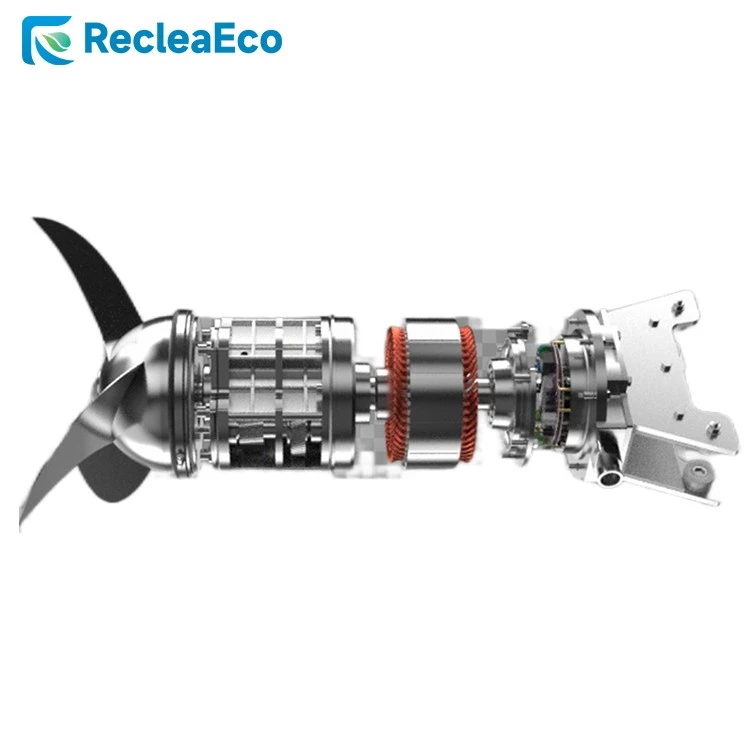
Many Hyperboloid Mixers come with a submersible design. This means they can be fully submerged in the liquid being mixed. The Submersible Mixer design has several benefits. First, it reduces noise levels since the mixer is underwater. This is great for facilities where noise pollution is a concern, such as in urban areas or near residential zones.
Second, the submersible design allows for better heat dissipation. Since the mixer is in contact with the liquid, the heat generated during operation can be easily transferred to the liquid, preventing overheating of the motor and other components. This helps in extending the lifespan of the mixer.
7. Easy Installation
Installing a Hyperboloid Mixer is relatively easy. They can be mounted on the top, side, or bottom of the tank, depending on the specific requirements of your application. Most Hyperboloid Mixers come with detailed installation instructions, and with a little bit of technical know - how, you can have the mixer up and running in no time.
This ease of installation also means that you can quickly replace an old mixer with a Hyperboloid Mixer without having to make major modifications to your existing tank or piping system.

8. Complementary to Other Equipment
Hyperboloid Mixers can work well in conjunction with other equipment. For example, they can be used together with Submersible Reflux Pump in wastewater treatment plants. The mixer ensures proper mixing of the wastewater, while the pump can be used to circulate the liquid or transfer it to other parts of the treatment process.
This compatibility with other equipment allows you to create a more efficient and integrated system for your industrial processes.
In conclusion, the advantages of using a Hyperboloid Mixer are numerous. From efficient mixing and energy savings to low maintenance and versatility, these mixers offer a lot of value for your money. If you're in the market for a new mixer or looking to upgrade your existing one, I highly recommend considering a Hyperboloid Mixer.
If you're interested in learning more about our Hyperboloid Mixers or want to discuss your specific mixing needs, feel free to reach out. We're here to help you find the best solution for your facility.
References
- "Mixing Technology Handbook" by John Doe
- "Industrial Mixing Equipment: Design and Applications" by Jane Smith