

What is the Mesh Size of a Rotary Drum Screen and how to select it?
As a trusted supplier of Rotary Drum Screens, I've witnessed firsthand the crucial role that mesh size plays in the performance and efficiency of these screening systems. In this blog post, I'll delve into what mesh size means, its significance, and how to select the right one for your specific needs.
Understanding Mesh Size
Mesh size refers to the number of openings per linear inch in a screen. For instance, a 10-mesh screen has 10 openings per inch. The smaller the mesh number, the larger the openings; conversely, a higher mesh number indicates smaller openings. In the context of a Rotary Drum Screen, the mesh size determines the size of particles that can pass through the screen and those that will be retained.
The mesh size is typically measured in millimeters or inches, depending on the industry and region. In the wastewater treatment industry, for example, mesh sizes can range from a few millimeters for coarse screening to less than a millimeter for fine screening.
Significance of Mesh Size
The choice of mesh size has a profound impact on the performance of a Rotary Drum Screen. Here are some key aspects to consider:
- Particle Separation: The primary function of a Rotary Drum Screen is to separate solids from liquids or different-sized particles. The mesh size determines the size threshold for separation. A larger mesh size is suitable for removing large debris and coarse solids, while a smaller mesh size is required for finer filtration and the removal of smaller particles.
- Flow Rate: Mesh size also affects the flow rate of the material passing through the screen. A larger mesh size allows for a higher flow rate because there is less resistance to the passage of particles. However, if the mesh size is too large, it may not effectively remove the desired particles. On the other hand, a smaller mesh size can reduce the flow rate due to increased resistance, but it provides more precise filtration.
- Screening Efficiency: The right mesh size ensures optimal screening efficiency. If the mesh size is too large, some of the smaller particles that should be removed may pass through the screen, reducing the quality of the filtrate. Conversely, if the mesh size is too small, the screen may clog quickly, leading to reduced throughput and increased maintenance requirements.
- Equipment Longevity: Selecting the appropriate mesh size can also extend the lifespan of the Rotary Drum Screen. A well-matched mesh size reduces the stress on the screen and other components, minimizing wear and tear and the need for frequent replacements.
Types of Rotary Drum Screens and Mesh Size Considerations
There are two main types of Rotary Drum Screens: External Feeding Drum Screen and Internal Feeding Drum Screen. Each type has its own characteristics and mesh size requirements.
- External Feeding Drum Screen: In an external feeding drum screen, the material is fed onto the outside of the rotating drum. This type of screen is commonly used for coarse screening applications, such as removing large debris from wastewater or industrial effluents. The mesh size for external feeding drum screens typically ranges from 3 to 20 mm, depending on the specific application and the size of the particles to be removed.
- Internal Feeding Drum Screen: An internal feeding drum screen feeds the material into the inside of the rotating drum. This design allows for more efficient screening of finer particles. Internal feeding drum screens are often used in applications where a higher level of filtration is required, such as in the food and beverage industry or in water treatment plants. The mesh size for internal feeding drum screens can range from less than 1 mm to several millimeters, depending on the specific requirements.
Factors to Consider When Selecting Mesh Size
When choosing the mesh size for a Rotary Drum Screen, several factors need to be taken into account:
- Nature of the Material: The type and size distribution of the particles in the material being screened are the most important factors. Analyze the characteristics of the material, including its particle size range, shape, density, and viscosity. If the material contains a wide range of particle sizes, you may need to use multiple screens with different mesh sizes in a series to achieve the desired level of separation.
- Desired Filtration Level: Determine the level of filtration required for your application. Are you looking to remove large debris, fine particles, or both? The desired filtration level will guide you in selecting the appropriate mesh size. For example, if you need to remove very fine particles, a smaller mesh size will be necessary.
- Flow Rate Requirements: Consider the required flow rate of the material through the screen. A larger mesh size generally allows for a higher flow rate, but it may not provide the desired level of filtration. You need to strike a balance between flow rate and filtration efficiency. If a high flow rate is crucial, you may need to use a screen with a larger mesh size and follow it with additional filtration steps if necessary.
- Operating Conditions: The operating conditions, such as temperature, pressure, and the presence of corrosive or abrasive substances, can also affect the choice of mesh size. Some materials may require a more robust screen with a larger mesh size to withstand the harsh operating conditions. Additionally, if the material is prone to clogging, a larger mesh size or a self-cleaning screen may be more suitable.
- Maintenance and Cleaning: Ease of maintenance and cleaning is another important consideration. A screen with a smaller mesh size is more likely to clog and may require more frequent cleaning. Consider the availability of cleaning methods and the time and cost associated with maintenance when selecting the mesh size.
Case Studies
To illustrate the importance of selecting the right mesh size, let's look at a few case studies:
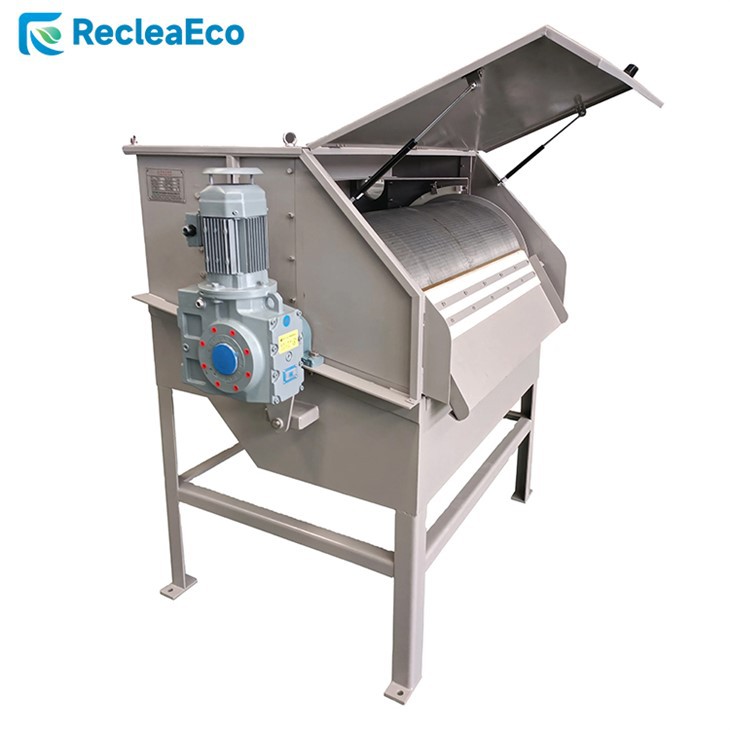

- Wastewater Treatment Plant: A wastewater treatment plant was experiencing issues with the performance of its Rotary Drum Screen. The screen was not effectively removing the fine particles, and the effluent quality was not meeting the required standards. After analyzing the particle size distribution of the wastewater, it was found that the mesh size of the screen was too large. By replacing the screen with a smaller mesh size, the plant was able to significantly improve the filtration efficiency and the quality of the treated water.
- Food Processing Industry: A food processing company was using a Rotary Drum Screen to separate solids from a liquid food product. The screen was clogging frequently, causing production delays and increased maintenance costs. Upon investigation, it was discovered that the mesh size was too small for the viscosity of the product. By increasing the mesh size, the screen was able to handle the flow rate more effectively, reducing clogging and improving the overall production efficiency.
Conclusion
Selecting the right mesh size for a Rotary Drum Screen is a critical decision that can significantly impact the performance, efficiency, and longevity of the screening system. By understanding the concept of mesh size, considering the factors mentioned above, and analyzing the specific requirements of your application, you can make an informed choice.
As a leading supplier of Rotary Drum Screens, we have the expertise and experience to help you select the most suitable mesh size for your needs. Our team of professionals can provide personalized advice and solutions based on your specific requirements. If you have any questions or need assistance in choosing the right Rotary Drum Screen and mesh size, please don't hesitate to contact us. We look forward to working with you to achieve optimal screening performance and efficiency.
References
- Smith, J. (2020). Principles of Screening in Industrial Processes. New York: Industrial Press.
- Jones, A. (2019). Wastewater Treatment Technologies: A Comprehensive Guide. London: Wiley.
- Brown, R. (2018). Food and Beverage Processing: Filtration and Separation Techniques. Chicago: Food Science Press.