

As a supplier of submersible mixers, I understand the critical role that shaft seals play in the performance and longevity of these essential pieces of equipment. A reliable shaft seal is paramount to prevent water ingress into the motor housing, which can lead to electrical failures, corrosion, and ultimately, equipment breakdown. In this blog post, I will share some key strategies and best practices to ensure the reliability of the shaft seal of a submersible mixer.

Understanding the Importance of Shaft Seals in Submersible Mixers
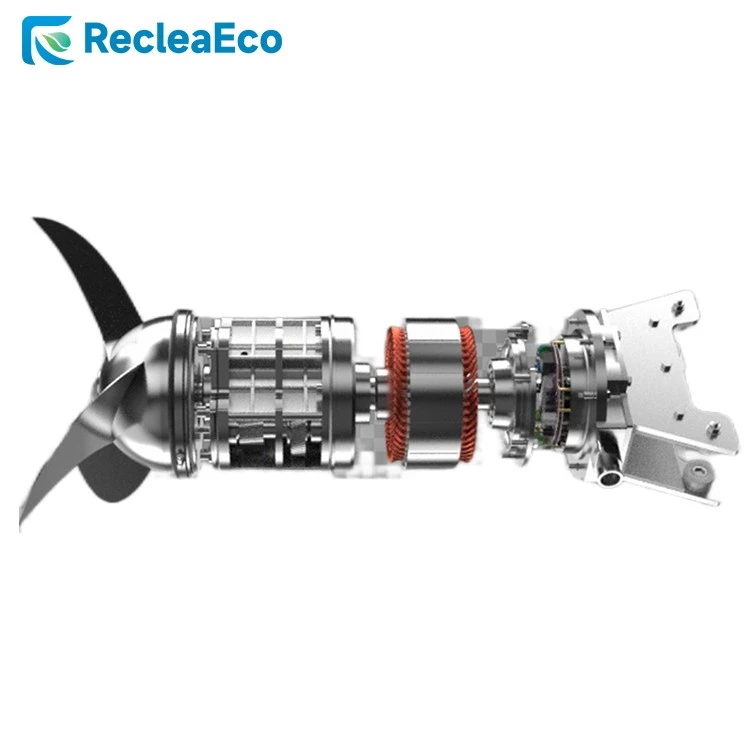
Submersible mixers are designed to operate underwater, which means they are constantly exposed to a harsh environment. The shaft seal acts as a barrier between the motor and the surrounding water, preventing water from entering the motor housing. If water penetrates the seal, it can cause short circuits, damage to electrical components, and corrosion of the motor's internal parts. This not only leads to costly repairs but also disrupts the operation of the wastewater treatment process or other applications where the submersible mixer is used.
Selecting the Right Shaft Seal Material
The choice of shaft seal material is crucial for ensuring its reliability. Different materials have different properties, such as chemical resistance, wear resistance, and temperature tolerance. When selecting a shaft seal material, it is important to consider the specific operating conditions of the submersible mixer, including the type of liquid being mixed, the temperature, and the presence of abrasive particles.
- Nitrile Rubber (NBR): NBR is a commonly used material for shaft seals due to its good resistance to oil, fuel, and water. It is also relatively inexpensive and has good mechanical properties. However, NBR may not be suitable for applications where the liquid contains chemicals or solvents that can cause it to swell or degrade.
- Viton (FKM): Viton is a high-performance fluoroelastomer that offers excellent resistance to a wide range of chemicals, oils, and fuels. It also has good heat resistance and can withstand high temperatures without losing its elasticity. Viton is a popular choice for applications where the submersible mixer is exposed to harsh chemicals or high temperatures.
- Silicone Rubber (VMQ): Silicone rubber has excellent heat resistance and can withstand temperatures up to 200°C. It also has good electrical insulation properties and is resistant to ozone and weathering. However, silicone rubber may not be suitable for applications where the liquid contains sharp particles or abrasive materials, as it is relatively soft and can be easily damaged.
Proper Installation of the Shaft Seal
Proper installation of the shaft seal is essential for ensuring its reliability. A poorly installed shaft seal can lead to leaks, premature wear, and failure. Here are some key steps to follow when installing a shaft seal:
- Clean the Shaft and Housing: Before installing the shaft seal, it is important to clean the shaft and housing thoroughly to remove any dirt, debris, or grease. This will ensure a proper fit and prevent contaminants from entering the seal.
- Use the Right Tools: Use the appropriate tools to install the shaft seal, such as a seal installer or a press. Avoid using sharp objects or tools that can damage the seal.
- Install the Seal Correctly: Make sure the shaft seal is installed in the correct orientation and position. Follow the manufacturer's instructions carefully to ensure a proper fit.
- Apply Lubricant: Apply a small amount of lubricant to the shaft and the sealing lip of the shaft seal to reduce friction and prevent damage during installation.
Regular Maintenance and Inspection
Regular maintenance and inspection of the shaft seal are essential for detecting and preventing potential problems before they become serious. Here are some key maintenance and inspection tasks to perform:
- Check the Seal for Leaks: Regularly check the shaft seal for leaks by inspecting the area around the seal for signs of water or oil. If a leak is detected, it is important to replace the seal immediately to prevent further damage.
- Inspect the Seal for Wear: Inspect the shaft seal for signs of wear, such as cracks, tears, or deformation. If the seal shows signs of wear, it is important to replace it to ensure its reliability.
- Clean the Seal and Shaft: Regularly clean the shaft seal and the shaft to remove any dirt, debris, or grease that can accumulate over time. This will help to prevent premature wear and damage to the seal.
- Replace the Seal at Regular Intervals: Even if the shaft seal appears to be in good condition, it is important to replace it at regular intervals according to the manufacturer's recommendations. This will help to ensure the long-term reliability of the submersible mixer.
Advanced Technologies for Shaft Seal Reliability
In addition to proper material selection, installation, and maintenance, there are also some advanced technologies that can be used to enhance the reliability of the shaft seal of a submersible mixer.
- Dual Mechanical Seals: Dual mechanical seals consist of two seals arranged in series, with a barrier fluid between them. This design provides an additional layer of protection against leaks and can extend the life of the shaft seal.
- Seal Monitoring Systems: Seal monitoring systems use sensors to detect leaks or other problems with the shaft seal in real-time. This allows for early detection and preventive maintenance, reducing the risk of equipment failure.
- Self-Lubricating Seals: Self-lubricating seals are designed to reduce friction and wear by providing their own lubrication. This can help to extend the life of the shaft seal and reduce the need for maintenance.
Conclusion
Ensuring the reliability of the shaft seal of a submersible mixer is crucial for the performance and longevity of the equipment. By selecting the right shaft seal material, installing it properly, performing regular maintenance and inspection, and using advanced technologies, you can significantly reduce the risk of leaks, premature wear, and failure. As a Submersible Mixer supplier, we are committed to providing high-quality products and solutions that meet the needs of our customers. If you are interested in learning more about our submersible mixers or have any questions about shaft seal reliability, please feel free to contact us for procurement and further discussion. We also offer Submersible Thruster and Ultra-Energy-Saving Submersible Mixer for your different application requirements.
References
- "Sealing Technology Handbook" by John H. Bickford
- "Mechanical Seals: Selection, Installation, and Maintenance" by Thomas A. O'Hern
- Manufacturer's guidelines and technical documents for submersible mixers and shaft seals